Written by
Federer Foundation
15 April 2026
A clear national priority
Early childhood education is firmly anchored in Zambia’s education reforms. National policies and sector plans place early learning within the broader education system, ensuring it is planned, funded, and implemented as part of long-term government priorities.
Through its commitment to education for all, the government is expanding access by annexing an early childhood class in every primary school, recruiting and training more teachers, supporting schools through improvement grants, and working with communities to highlight the importance of learning before Grade 1.
The 2025 national budget allocated around 2.5% of total education spending to early childhood education. While there is still room for a higher commitment, this investment strengthens teacher capacity, infrastructure, programme development, and access for young learners across the country.
Piloting innovation with the Early Learning Kiosk
The Zambia Enhancing Early Learning (ZEEL) Project – supported by the Global Partnership for Education through the World Bank – is helping improve learning environments, access, and data use through curriculum reform and stronger information systems.
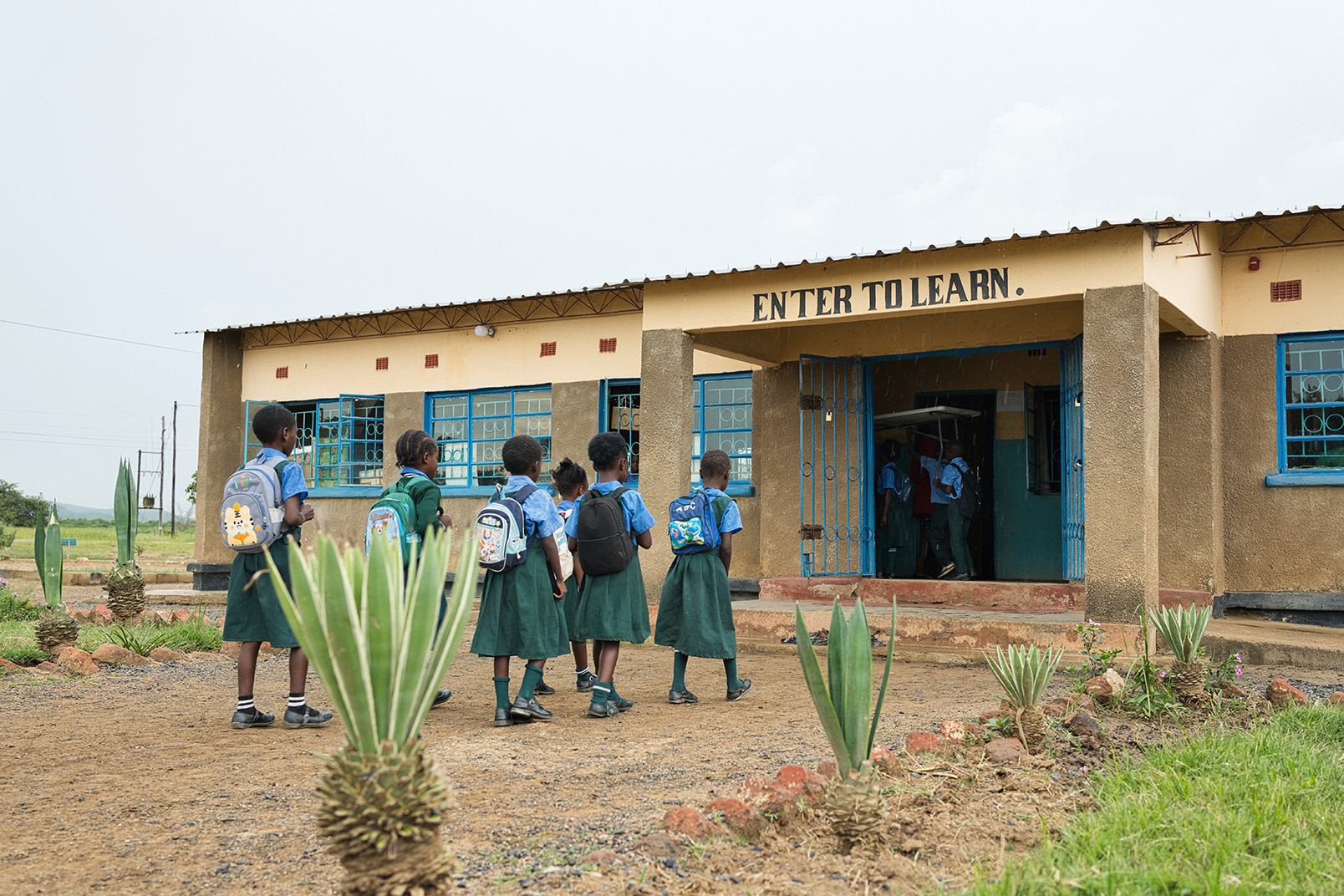
The Early Learning Kiosk is being piloted in 160 government schools in Zambia © Federer Foundation by Jason. J. Mulikita
Within this broader effort, the Early Learning Kiosk (ELK) is being piloted in 160 government schools, allowing teachers to track learner development more effectively and respond to learning needs earlier, and engage parents more actively in their children’s progress. There is strong interest from government to expand it nationwide, which will allow for integration with national data systems and strengthen collaboration across ministries and partners.
Teachers beyond the original pilot schools are already choosing to use the Early Learning Kiosk, showing how quickly practical, classroom-ready tools can spread when they respond to real needs. Integration with national data systems also allows schools to track learner development more effectively and strengthens collaboration across ministries and partners.
At the same time, the KnowHow course offers teachers flexible, self-paced professional development, supporting continuous learning while strengthening classroom practice. Together, these innovations are helping shape the Ministry’s broader approach to digitalisation, sustainability, and evidence-informed decision-making in early learning.
Looking ahead
Zambia’s experience shows how steady government leadership, strong partnerships, and practical innovation can move early and foundational learning from pilot initiatives into national systems. Step by step, these efforts are helping ensure that early childhood education becomes more accessible, more effective, and firmly owned by the public education system – giving more children the strong start they deserve.
Leading through commitment: How governments advance early learning
- Dedicated public funding and regional budget allocations to support teacher recruitment, continuous training, and school improvement
- Integration of digital learning and child assessment tools into government systems, backed by formal policy directives
- Real-time, data-informed monitoring of teacher practice and learner development, embedded in national planning processes
- Flexible professional development opportunities aligned with flagship national early childhood campaigns
- Public recognition and institutional support for teachers applying new methodologies in the classroom