Written by
Federer Foundation
15 April 2026
A complex system context
Namibia is a middle-income country, yet inequality remains high. Although around 23% of the national budget is allocated to education, early childhood development has historically received a small share of this funding. Between 2018 and 2023, pre-primary education accounted for an average of 2.9% of Ministry spending, contributing to lower enrolment, repetition in early grades, and dropout before the end of secondary school.
Geography adds another layer of complexity. Namibia’s large territory with a population of roughly 2.5 million people makes nationwide delivery of services both challenging and costly. Remote rural areas, flood-prone northern regions, and limited infrastructure continue to affect equitable access to early learning opportunities.
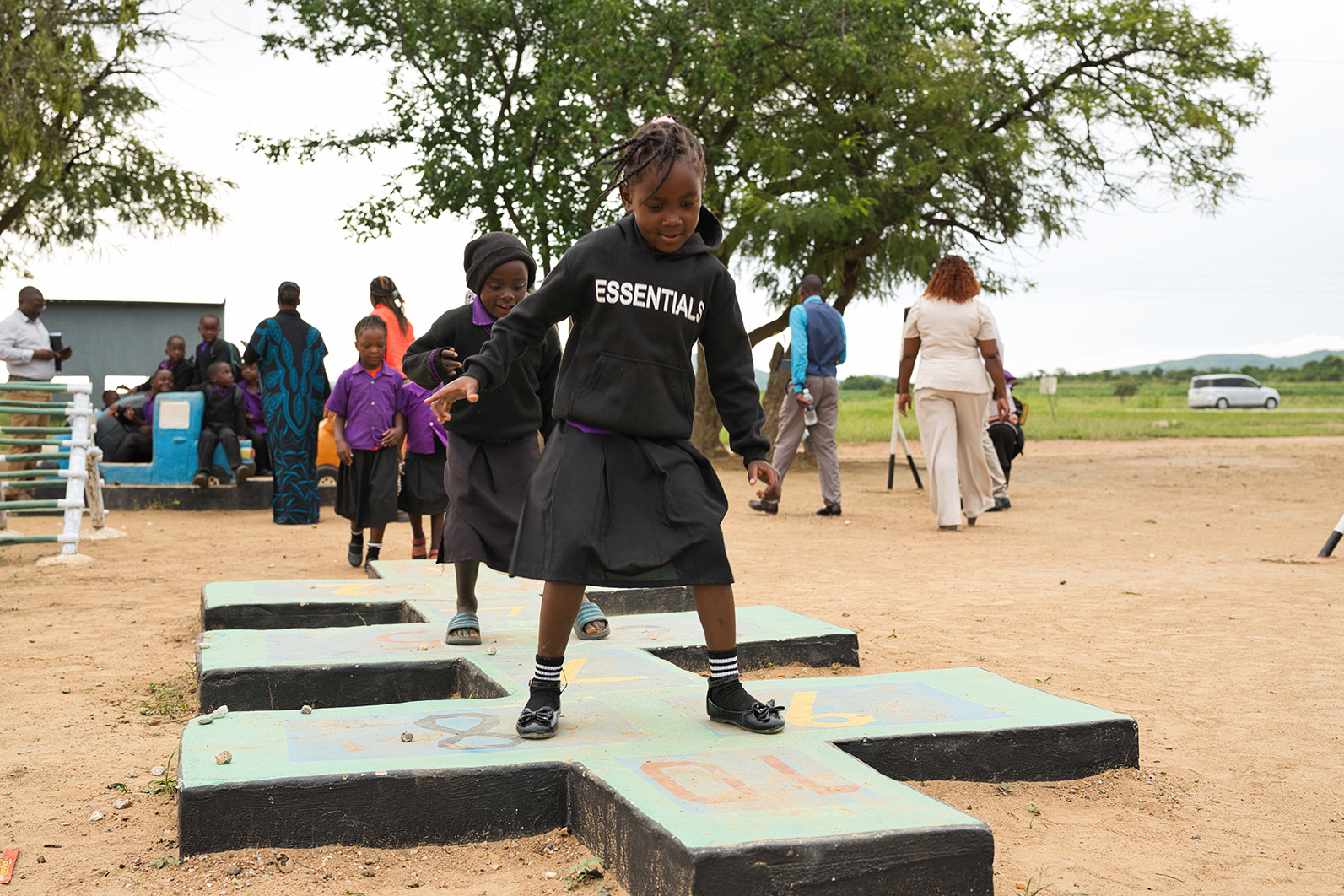
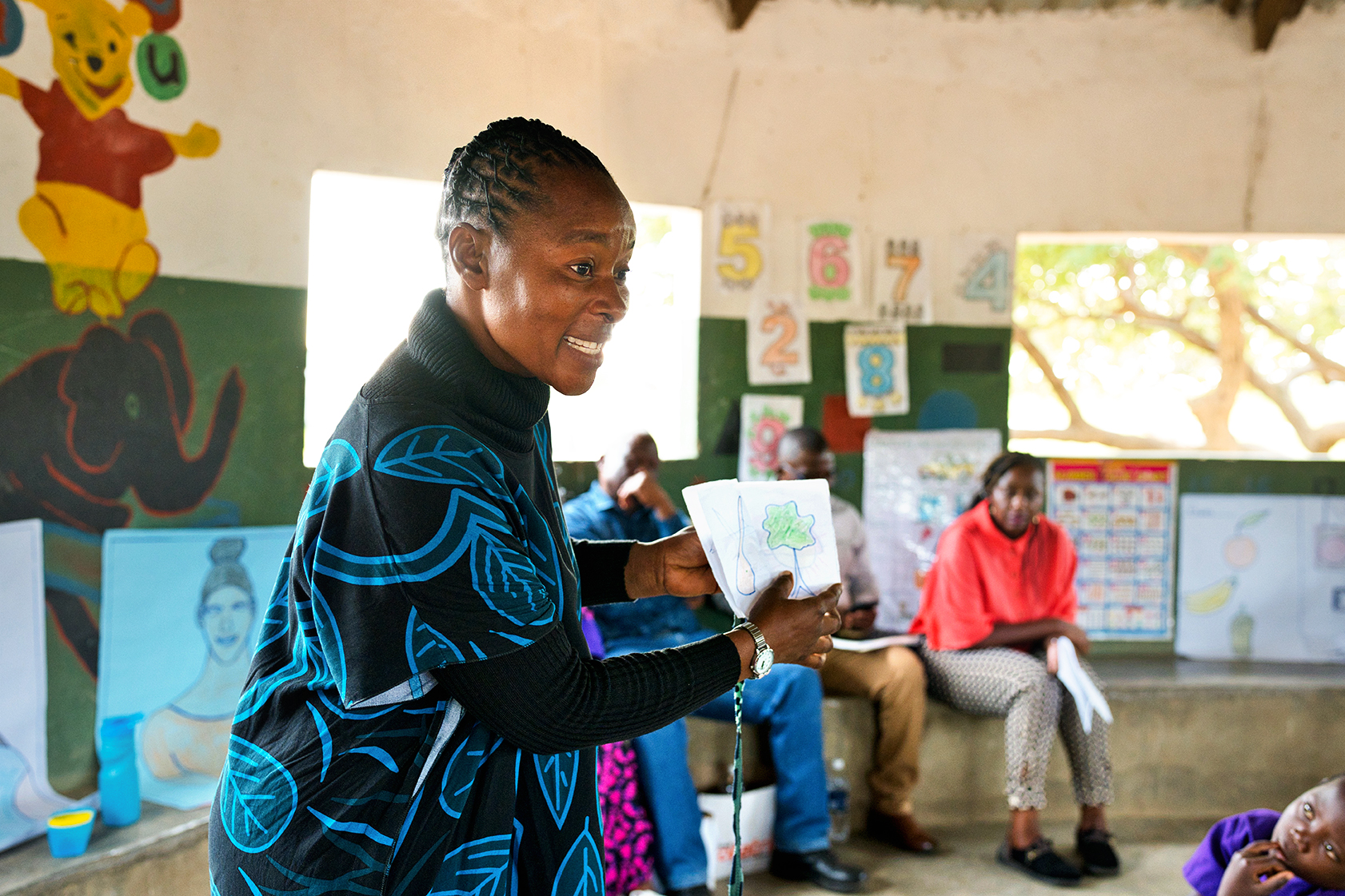
Within this context, the School Readiness Initiative (SRI) was designed as a nationwide effort to strengthen early and foundational learning for children aged four to six. Implemented by local partners – LifeLine/ChildLine, Church Alliance for Orphans, and Women’s Action for Development – the initiative aims to improve teaching and learning quality across more than 2,500 institutions and support smoother transitions into primary school. Over seven years, the initiative has facilitated the training of nearly 3,500 teachers and reached more than 200,000 children.
From project to public system
In Namibia, change is visible not only in classrooms, but also in how stronger approaches are being integrated into the public education system.
The Ministry of Education has invited the local partners implementing the School Readiness Initiative to contribute evidence, tools, and cost analyses to national planning for quality early childhood development at scale. Discussions include integrating ChildSteps into national systems and strengthening education data systems using enrolment, attendance, and child development data generated through the initiative.
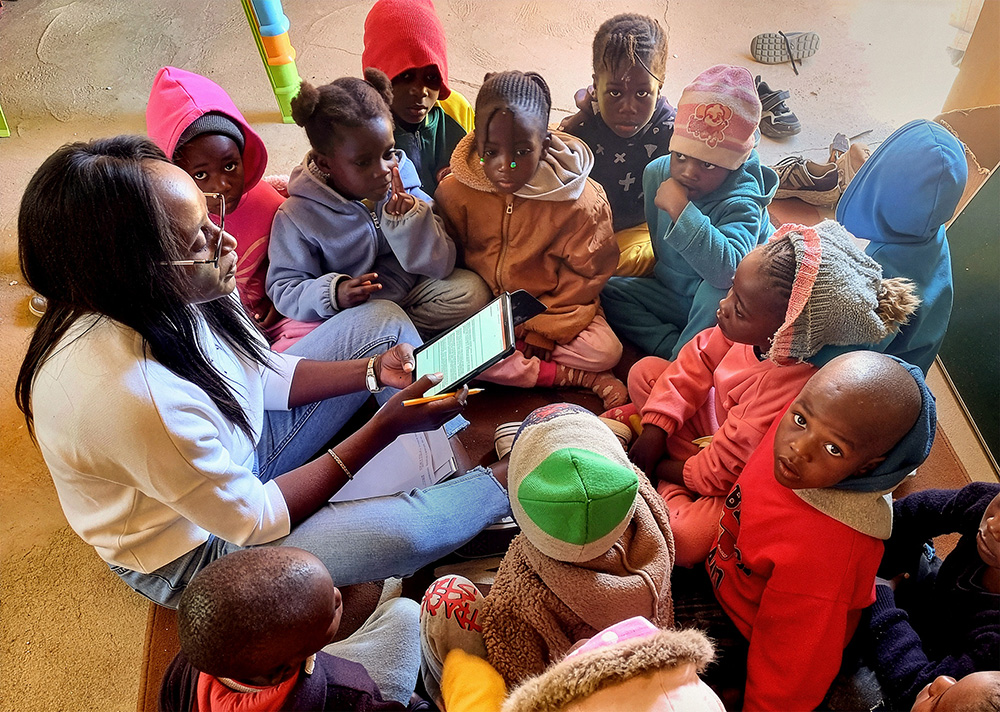
At regional level, ownership is translating into concrete action. To name just two examples, in the Kunene region, the Regional Department of Education has allocated its own budget for teacher training and refresher sessions on the use of tablet devices and related teaching approaches. Authorities have also introduced recognition mechanisms for teachers who complete the Know-How course and effectively apply ChildSteps methods, helping strengthen motivation and implementation quality.
In Oshana, the Senior Education Officer for Pre-primary, Mr Sakeus Johannes, has advocated for the use of ChildSteps across all pre-primary classes. Endorsed by regional leadership and communicated through inspectors to school leaders, this directive signals growing institutional commitment to consistent, digital assessment approaches aligned with national frameworks. Teachers are also encouraged to use tablets as a tool for their continuous professional development.
Together, these steps reflect meaningful changes in accountability, resource allocation, and professional practice within the public system.
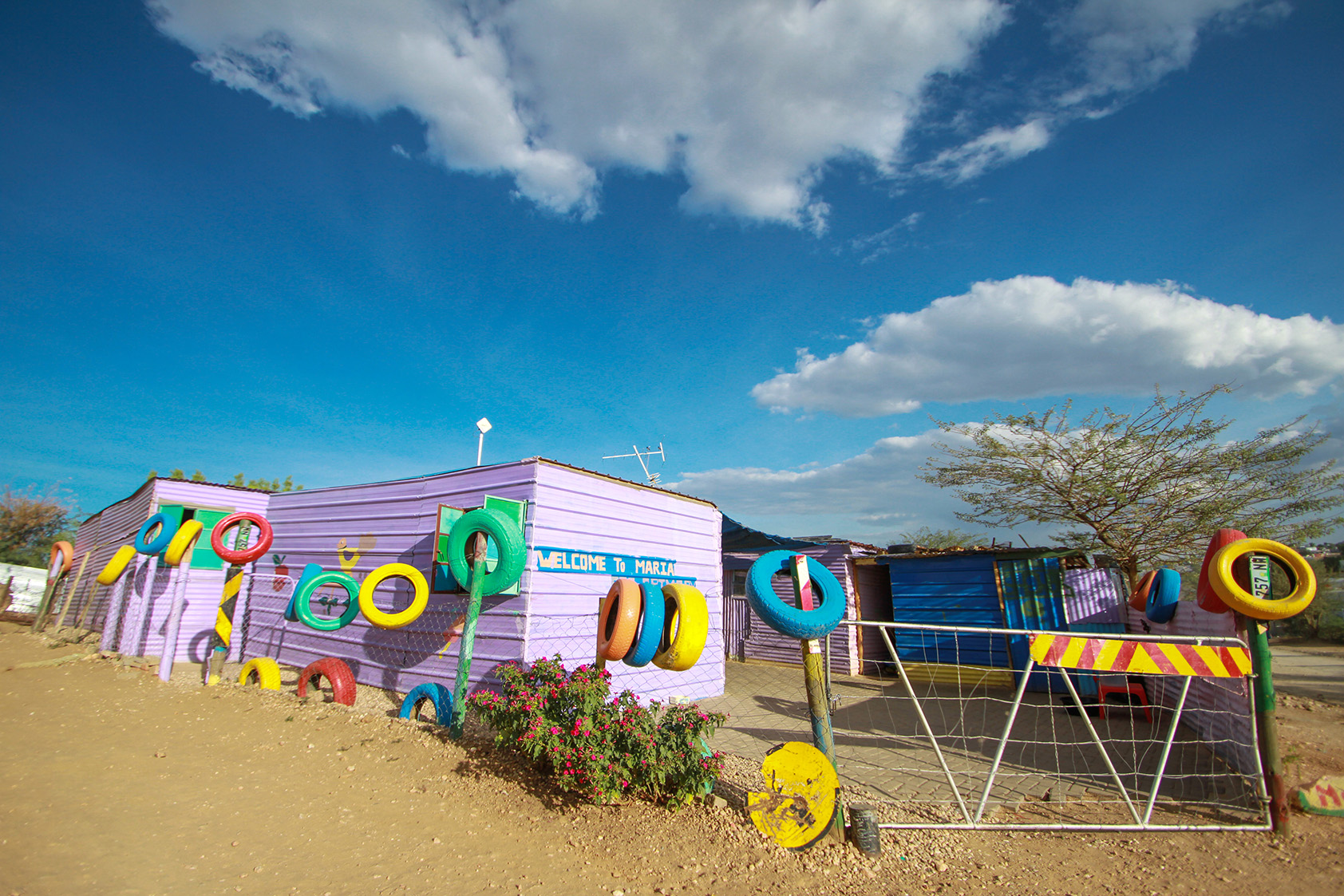
Through the SRI, communities collaborate with government and the private sector to
enhance – or even build – preschools © Federer Foundation by Paavo Shooya
Alignment with national priorities
The integration of SRI approaches into broader national initiatives further supports long-term sustainability.
The initiative contributes to Namibia’s national priorities on human capital development and effective service delivery, and has been formally included in the relaunched Right Start Programme – a government-led campaign promoting nurturing care and early learning from birth to age nine. The SRI partners participated in the 2025 relaunch, sharing technical expertise and supporting the campaign’s pillars of health, early learning, safety, nutrition, and responsive caregiving.
Namibia has also launched the End Learning Poverty for All in Africa campaign, aligned with the African Union Year of Education and its focus on strengthening foundational literacy and numeracy. Participation of the SRI partners in these national platforms shows how early innovation is becoming embedded within broader reform agendas.
The role of long-term partnership
This progress reflects sustained collaboration over many years. The Federer Foundation has worked as a long-term enabling partner, supporting locally led organisations to develop, test, and refine practical tools such as the Early Learning Kiosk, KnowHow course and the ChildSteps development assessment tool. Throughout, the partnership has been aligned with government priorities, prioritised joint planning and supported gradual integration into public structures.
By investing consistently over time, partners have helped establish approaches that are primed for systemic integration and long-term government ownership.
Looking ahead
As Namibia continues to navigate fiscal pressures and geographic challenges, the integration of SRI approaches into government systems demonstrates how locally implemented innovation – supported by long-term partnership – can become part of the public education architecture.
Early learning innovations are no longer delivered with government – they are increasingly owned by government.